Short answer: as far as the sources we could read show, no law has made it illegal for an adult to use a VPN, but age verification VPN rules are now starting to target VPNs in other ways. Utah’s SB 73, in force since May 6, 2026, treats anyone physically in Utah as a Utah user even behind a VPN, and bars adult sites from encouraging VPN use to get past age checks.
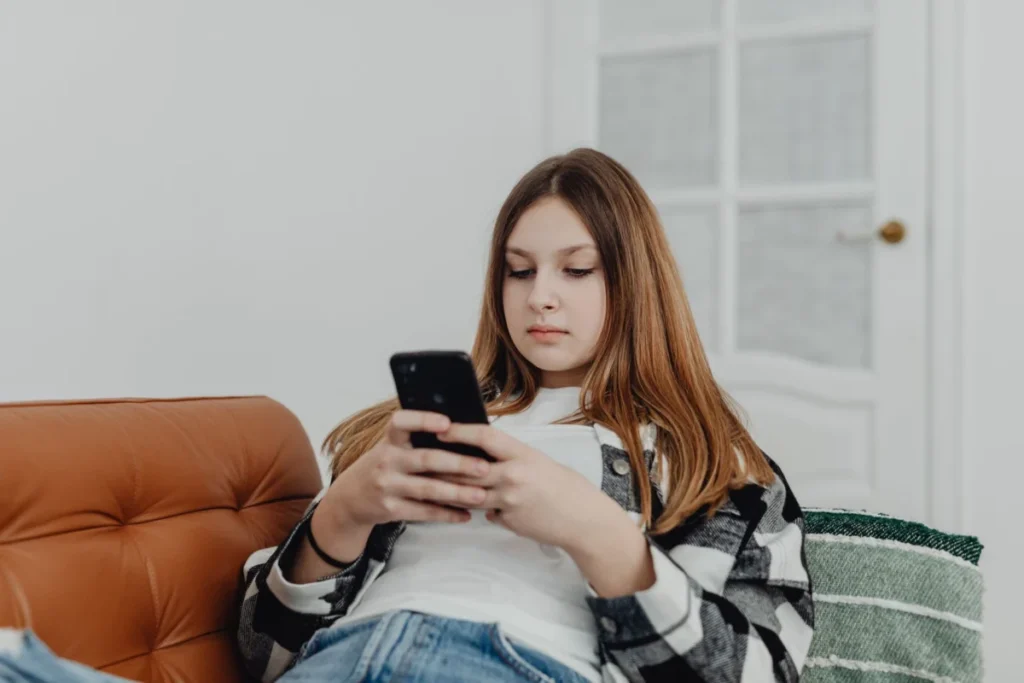
Government research in the UK finds that around a quarter of 11 to 17-year-olds use a VPN. This guide explains what the Utah law says, where enforcement stands, what the UK numbers show, and what it means for an ordinary VPN user. It is not legal advice.
Table of Contents
What Utah’s law says about VPNs
Our main source is the Electronic Frontier Foundation’s analysis of the bill. The EFF is a digital-rights group that opposes the law, so read its account as advocacy, and we could not open the statute itself on le.utah.gov, which refused our connection. With that caveat, the EFF describes the bill, formally the “Online Age Verification Amendments”, as signed by Governor Spencer Cox on March 19, 2026. Most of it deals with a 2% tax on revenue from online adult content. The VPN rules sit in Section 14, which amends an existing section of the Utah code, and they do two things.
- They fix the location by body, not by IP address. A person counts as accessing a website from Utah if they are physically in Utah, whether or not they use a VPN, a proxy server or another way of disguising their location.
- They bar sites from promoting VPNs. Commercial entities that host a substantial portion of material harmful to minors may not facilitate or encourage the use of a VPN to get around age checks. The EFF says that includes giving instructions on using a VPN or providing the means to get around geofencing.
The EFF stresses a point that is easy to lose in headlines. The law does not explicitly ban the use of a VPN. Instead it puts the burden on the websites, which become responsible for checking the age of anyone physically in the state. The EFF calls this a “liability trap”, because a site that cannot tell where a VPN user really is might respond by blocking every known VPN address, or by asking every visitor worldwide to verify their age.
Where age verification VPN enforcement stands
The VPN section took effect on May 6, 2026, but it has not been applied evenly. The EFF’s article carries two dated updates. On May 11 it reported that Utah had agreed not to enforce the VPN rules until September 3, 2026, after Aylo, the parent company of Pornhub, challenged the law in court.
On September 17 it reported that the state and Aylo had agreed the state would not enforce the law against the company until the judge ruled or until administrative rules setting out compliance terms for adult sites were final. A proposed rule on age-verification standards and VPN regulation was open for comment through October 1 and, according to the EFF, could take effect as soon as October 8.
We could not confirm what happened after October 8, and we did not find a court ruling in the sources we read. If the exact status matters to you, check the Utah legislature’s site and the court record directly. The pattern in the sources is that the law exists, parts of it have been paused for specific parties, and the rules that would make it workable were still being written in the autumn. Elsewhere, a Cybernews headline dated October 23, 2026 reports that Pornhub and other adult sites are now blocked in Iowa as an age-verification rule takes effect. We did not read the article itself.
What the UK data shows about children and VPNs
The UK numbers are better documented. A report by BMG Research for the Department for Science, Innovation and Technology, published on July 14, 2026, surveyed 2,299 young people aged 11 to 17 between May 18 and 29, 2026. The sample included 2,029 young people chosen to represent the national picture and a boost of 270 VPN users. We read the first half of the report text, and the figures below come from that part.
| Finding | Result |
|---|---|
| Children who use a VPN | Around a quarter |
| VPN users who say they use one specifically to reach age-restricted content | 22%, which the report equates to 7% of all children |
| All children who say they have bypassed age checks with settings or tools that change their apparent location | 10% |
| 11 to 17-year-olds who say they have got around an age check at least once, by any method | 39% |
| Child VPN users who say a parent pays for the VPN | 43% |
| Child VPN users who say a VPN makes them feel safer online | 81% |
The report also cites Ofcom for the wider picture: the number of UK daily active VPN app users temporarily doubled to around 1.5 million after the child safety duties began in July 2025, then fell back to about 900,000 by November. It says it is not clear whether children or adults drove the spike. We could not open Ofcom’s own pages, which returned an access error, so we rely on the report’s account of the figure.
Read these numbers carefully. They are survey answers, the 10% figure rests on a question the report words as a proxy for VPN use, and a quarter of children using a VPN does not mean a quarter are evading age checks. The report’s own split is useful: only about a fifth of child VPN users say they use one specifically for age-restricted content, and 81% of them say it makes them feel safer. The picture is of a privacy tool used by many people for many purposes, a fact that age-verification rules do not handle well.
Why age verification VPN blocking is hard for websites
Age verification VPN rules depend on websites spotting VPN traffic. A website sees the IP address your traffic comes from, and with a VPN that is the VPN server’s address. Sites can compare it with lists of known VPN addresses, as we explain in our guide to VPN blocks, but the EFF argues that no complete list exists, because providers add addresses constantly, and calls blocking them “a technical whack-a-mole”.
It also warns that people who lose access to commercial VPNs may move to private tunnels through cloud services or to residential proxies, which look like ordinary home traffic. Our explainer on residential IP VPNs covers where those addresses come from and why that route carries its own risks.
It helps to separate two questions that the law blurs. One is where you are, which is about your body and your device. The other is the address a website sees, which is about your network. A VPN changes the second but not the first, and Utah’s rule is written around the first. That is why the law works on the principle that anyone in the state is a Utah user no matter what their IP address says.
What age verification VPN rules mean for you
If you are an adult who uses a VPN for privacy, the practical effect in the sources we read lands on websites, not on you. You may meet more age checks, more blocks of VPN addresses, and some sites that simply stop serving a region. Nothing in the sources we read makes using a VPN illegal, and nothing there targets ordinary uses such as protecting your connection on public Wi-Fi or keeping your browsing from your internet provider. Choosing a reputable provider matters more than ever, and our best VPN ranking and are free VPNs safe? explain what to look for.
Age checks themselves ask you to hand over sensitive information, and a VPN does not change that. Before you complete one, ask the same questions you would ask of any service that holds your identity data: who runs the check, what it keeps, for how long, and whether it shares the result. These are questions to put to the provider, because we have not reviewed any age-verification service and make no claim about how they handle data.
If you are a parent, the UK figures are a prompt for a conversation rather than an alarm. More than four in ten child VPN users say a parent pays for it, so many parents already know. Parental controls work at the device and account level rather than by checking an IP address. We review one such tool in our Qustodio review, and parental controls in antivirus software explains what bundled options can and cannot do.
What this age verification VPN guide does not cover
This page does not explain how to get around an age check. Those checks exist to protect children, and an article that taught circumvention would sit badly beside that purpose. Our goal is to help you understand what the rules say and how a VPN fits in. If a site blocks you, the honest options are to complete the check, use another service or leave.
Age verification VPN rules are changing quickly, so treat this page as a snapshot of what our sources said when we read them. Before you act on any age verification VPN rule, check the current text of the law and the provider’s own page, because the rules and the enforcement picture can shift. An age verification VPN question rarely has one answer for every place and every service.
Age verification VPN: frequently asked questions
Do age verification VPN rules make using a VPN illegal?
Not according to the sources we read. Utah’s SB 73, as the EFF describes it, does not explicitly ban VPN use. It makes sites responsible for checking the age of anyone physically in Utah and stops them from encouraging VPN use to avoid age checks. Laws differ by place and change, so check the current rules where you live.
Does a VPN hide that I am in Utah?
A VPN changes the IP address a site sees, but Utah’s law defines a user by their physical location, not by their IP address. A site that learns you are in Utah while you are using a VPN is expected to treat you as a Utah user, according to the EFF.
How many UK children use a VPN?
A 2026 survey commissioned by the UK government found that around a quarter of children aged 11 to 17 use a VPN. About one in five of those users, or 7% of all children, say they use one specifically to reach age-restricted content.
Can websites detect VPNs?
Often, because many VPN addresses are on public lists, but not perfectly. The EFF argues that no complete list exists. Our guide to VPN blocks explains how detection works and why it fails in some cases.
Does an age verification VPN rule apply to VPN users?
It depends on the law and the service. The sections above summarize what Utah’s law says about VPNs and what the UK data shows, and neither covers every case, so check the current text before relying on it.