
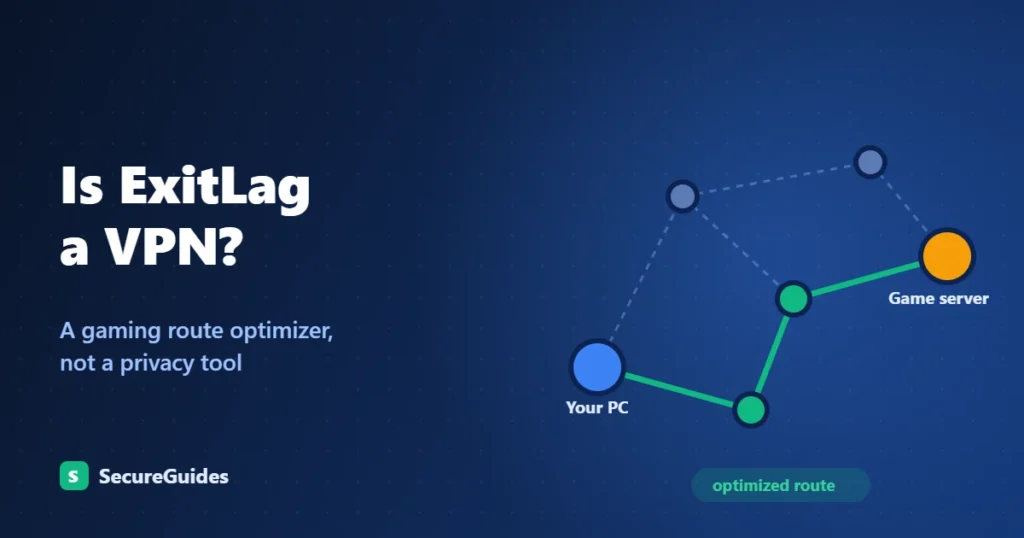

Short answer: Is ExitLag a VPN? No. ExitLag describes itself as a connection optimization tool and states on its own blog that it is not a VPN. It analyzes several network routes between your computer and a game server and picks the fastest and most stable one. Its own comparison table lists encryption as not a focus, which is the main difference from a privacy VPN.
This page relies on ExitLag’s own published explanation plus general networking background. We did not install ExitLag or measure its effect on ping, so there are no speed figures here. The main ExitLag site blocked our automated request, which is why some details, such as pricing, are left for you to check.
Table of Contents
What ExitLag says it does
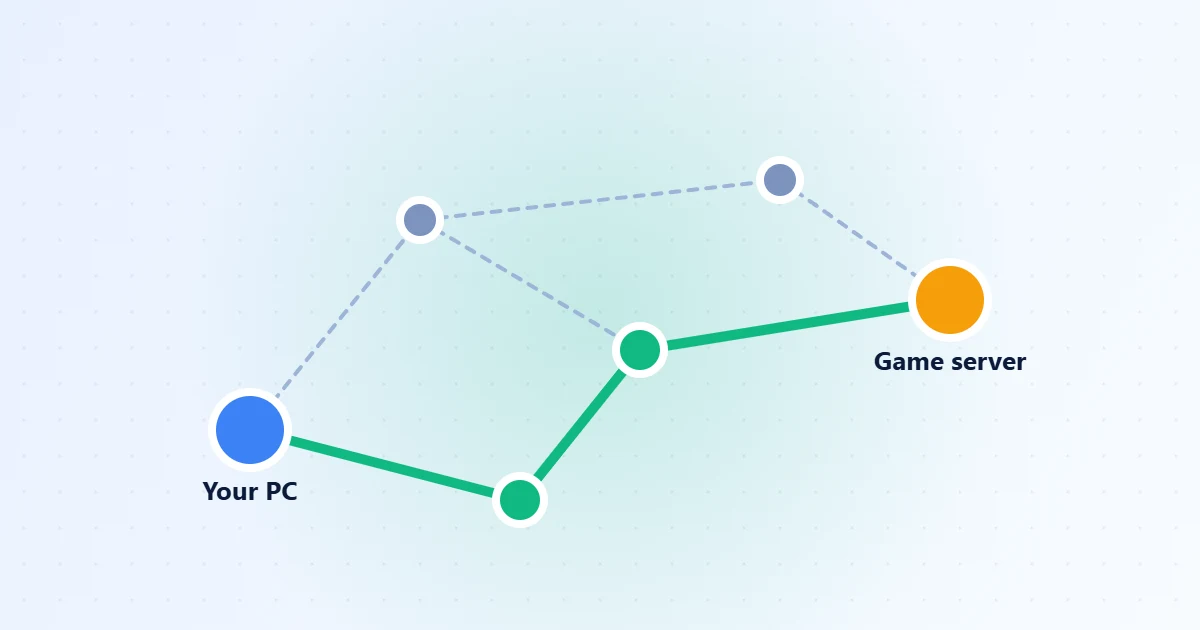
In its “What is ExitLag” article, ExitLag calls itself a connection optimization tool that analyzes multiple network routes between your computer and game servers to find the fastest and most stable path. It uses what it calls multipath routing: rather than sending your game connection down one route, it looks at several possible routes at once, picks the most efficient, and switches if a route becomes unstable.
The stated goal is gaming performance: steadier ping, fewer spikes, less packet loss. The same article says outright that ExitLag is not a VPN.
Is ExitLag a VPN? Why people call it one anyway
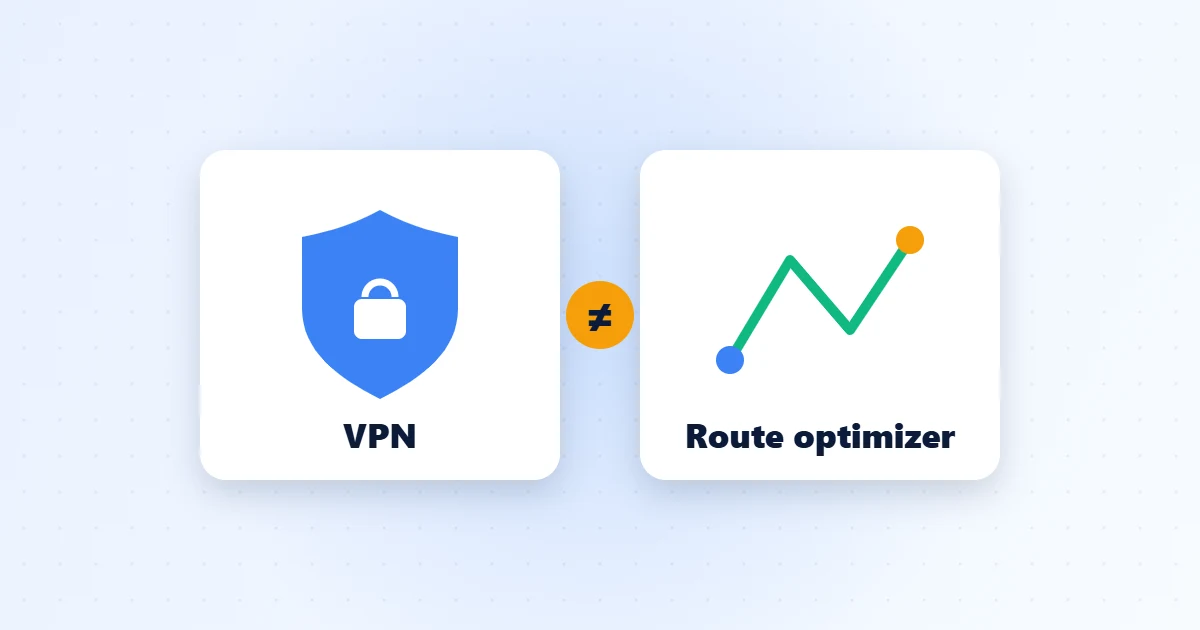
The confusion is understandable. Both kinds of software change the path your traffic takes to reach a server, and some third-party pages are even titled “ExitLag Gaming VPN.”
The difference is in the job. A VPN builds an encrypted tunnel to a server run by the VPN company, and for most users that is the point: privacy on public networks and a different visible IP address. ExitLag’s own comparison table puts “Encryption focus” at no for ExitLag and yes for traditional VPNs. It also says traditional VPNs often increase latency, which is the opposite of what a gamer wants.
What this means for you
Privacy and public Wi-Fi
If you want encryption when you are on a café or hotel network, ExitLag is not designed for that, by its own description. A VPN is the tool for that job. Our best VPN comparison lists providers with published audits and documentation.
Streaming and region-locked services
Changing the country a streaming service sees is not a use ExitLag describes. If that is what you want, you need a VPN, and our Netflix guide covers what streaming services do about them.
Ping in games
A VPN usually adds a routing step, which is why it can raise ping, as explained in does a VPN slow down your internet. If you are thinking about a VPN for a specific game, check the game’s rules first. Our Valorant guide and Roblox guide cover two common cases.
Pricing, trial and supported games
ExitLag’s article mentions a free trial but gives no prices, plan names or refund terms in the text we could read. For current plans and the list of supported games, check exitlag.com directly. We would rather leave this blank than quote a number from a third-party page that may be out of date.
What we did not check

- how ExitLag treats your visible IP address, because the pages we could read do not say
- how much it changes ping on any given game or connection
- ExitLag’s privacy policy and how it handles your connection data
Any article that quotes a precise ping improvement is repeating a vendor figure or someone’s own test. Treat those numbers as claims until you try the free trial on your own connection.
Frequently asked questions
Is ExitLag a VPN?
No, according to ExitLag. It calls itself a connection optimization tool and says it is not a VPN.
Does ExitLag encrypt my traffic?
ExitLag’s comparison lists encryption as not a focus. The pages we could read do not describe any encryption.
Is ExitLag better than a VPN for gaming?
They solve different problems. ExitLag targets routing to game servers. A VPN targets privacy and location. ExitLag itself says VPNs often increase latency.